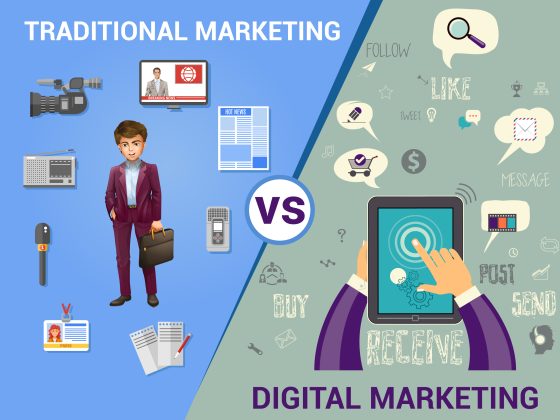
As marketing evolves, one question keeps resurfacing — does the traditional marketing funnel still hold relevance in today’s digital landscape? With modern tools like AI-driven ads, influencer collaborations, and data analytics, the buyer’s journey seems more dynamic than ever. Yet, the core principles of the funnel remain just as valuable because they are rooted in human behavior, not technology.
The traditional funnel continues to guide marketers through the timeless steps of awareness, interest, decision, and loyalty — no matter how the platforms change.
The Relevance of the Traditional Marketing Funnel in the Modern Marketplace
While digital marketing has expanded how brands reach audiences, the essence of the funnel is still visible everywhere. Businesses still need awareness campaigns to attract attention, compelling storytelling to nurture interest, and credibility to drive conversions.
For instance, a startup in Kumasi may build awareness through community events or influencer collaborations, develop interest with engaging social media storytelling, and strengthen consideration through testimonials and consistent visuals. Even online, the same emotional and logical triggers that defined the funnel decades ago continue to shape buying behavior today.
Retention: The Modern Extension of the Funnel
In today’s market, customer retention has evolved into a discipline of its own. Brands now focus not only on attracting new customers but also on keeping existing ones engaged through personalized experiences, community-building, and responsive communication.
This “loyalty loop” emphasizes that sustainable growth doesn’t come from single transactions but from relationships built over time. For creatives and small businesses, retention strategies like thank-you messages, exclusive updates, or referral incentives create loyal audiences who organically market the brand to others.
Why It Still Works
The funnel remains effective because it’s human-centered. It mirrors how people think, research, trust, and decide — principles that remain unchanged despite technological evolution. It helps marketers visualize and refine every step of a customer’s interaction, from discovery to advocacy.
Even in complex digital ecosystems, it provides clarity. Whether you’re running a social media campaign or a nationwide product launch, the funnel ensures that your efforts connect meaningfully and sequentially — building relationships, not just reach.
The traditional marketing funnel isn’t outdated — it’s foundational. It teaches marketers that success depends not just on visibility but on understanding how people make decisions and why they stay loyal.
As the marketing landscape continues to shift, the brands that thrive are those that blend old wisdom with new tools — guiding audiences through a journey that feels both intentional and human.
If you missed it, read: [Understanding the Traditional Marketing Funnel] — for a breakdown of each stage and how it shapes today’s customer journey.