In marketing, few concepts have stood the test of time like the traditional marketing funnel. Long before algorithms and analytics dashboards, brands relied on this simple yet powerful model to understand how customers move from awareness to purchase. Even in today’s evolving digital environment — where consumer habits shift constantly — the traditional funnel remains one of the most effective frameworks for understanding audience behavior and guiding marketing strategy.
What Is the Traditional Marketing Funnel?
The traditional marketing funnel is a model that illustrates the customer’s journey from the moment they first learn about a brand to when they make a purchase. It’s called a “funnel” because the number of potential customers narrows at each stage — many people may know about your brand, but only a few will become paying customers.
Originally used in traditional advertising, the funnel helped marketers visualize and strategize each stage of a buyer’s decision-making process. Today, even with the rise of social media, influencer marketing, and data-driven campaigns, the funnel’s structure still serves as a timeless guide to crafting meaningful marketing experiences.
At its core, the funnel represents a shift in how a person interacts with your brand — from initial curiosity to long-term commitment. It helps businesses plan and execute strategies that meet audiences where they are, with the right message and the right level of persuasion.
The Stages of the Traditional Marketing Funnel
The traditional funnel typically consists of six (6) plus one more main stages:
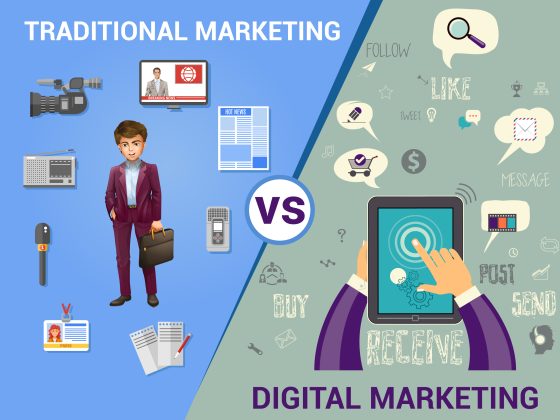
- Awareness: The stage where potential customers first encounter your brand. In traditional marketing, this might have come from television commercials, billboards, or radio ads. Today, awareness often starts online — through social media posts, blogs, SEO, PR coverage, or word of mouth. The aim here is simple: capture attention, make a positive impression, and communicate what your brand stands for.
- Interest: When the audience becomes curious enough to learn more. At this point, storytelling and informative content play a huge role. People want to know how your product or service fits into their lives. Brands that use consistent, relatable, and educational content build stronger emotional connections — making it easier to move potential customers further down the funnel.
- Consideration: This is where the real decision-making begins. Customers are comparing options, checking reviews, and weighing value against competitors. Here, credibility matters most. Testimonials, case studies, and detailed product information help establish trust and confidence.
- Intent: The point where a customer begins to lean toward a purchase. This could mean signing up for a free trial, adding an item to their cart, or scheduling a consultation. At this stage, brands must reduce friction and reinforce value.
- Evaluation: Even when someone is ready to buy, they often need one last confirmation that they’re making the right choice. Brands that provide strong support, transparent policies, or social proof often help finalize the decision.
- Purchase: The ultimate goal of the funnel — but the journey doesn’t stop there. Smart marketers know that what happens after the purchase — like follow-up support, loyalty programs, or community engagement — determines long-term success.
- Retention: This is where great brands distinguish themselves. Retention or customer retention is about building long-term relationships that go beyond one-time sales. From loyalty programs and personalized offers to follow-up emails and exceptional customer care, retention ensures that customers keep coming back — and often, become advocates who attract others.
The traditional marketing funnel remains one of the most practical frameworks for understanding customer behavior. By breaking down how people move from awareness to retention, it helps brands focus their efforts where it matters most — at every stage of the journey.
But beyond structure, the real power of the funnel lies in its adaptability. In a digital-first world where attention shifts quickly, its logic continues to shape how businesses attract, nurture, and retain their audiences.
Read next: [Why the Traditional Marketing Funnel Still Matters Today] — exploring how this century-old model continues to guide modern marketing success.