Marketing has always been about connection — about finding ways to reach people, tell stories, and inspire them to take action. What’s changed over the years isn’t the goal, but the medium. For decades, brands relied on traditional marketing to reach audiences through billboards, radio, and newspapers. Today, digital marketing dominates conversations, powered by social media, content creation, and data analytics. But as businesses evolve, the real question isn’t which one to choose. It’s about understanding traditional marketing vs digital marketing — and how combining both can create lasting impact.
What Is Traditional Marketing?
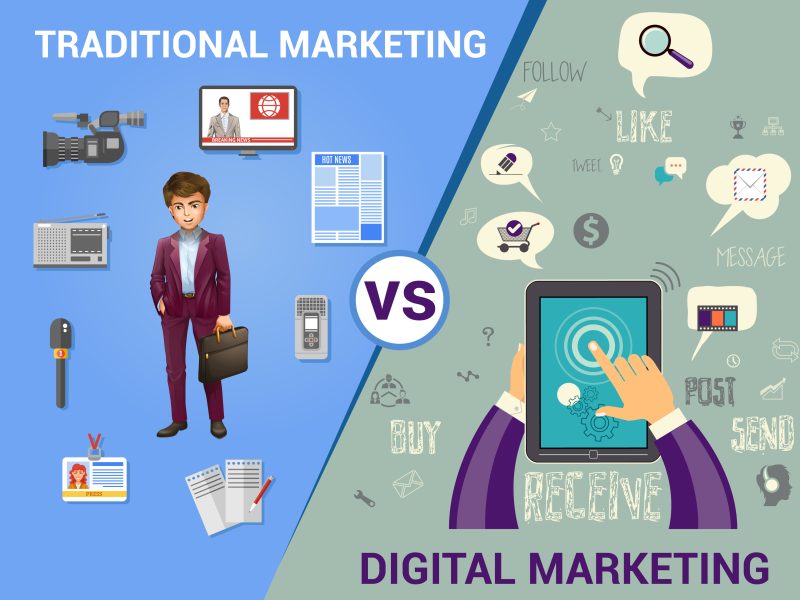
Traditional marketing refers to all promotional activities that occur offline — including television and radio advertising, print media, outdoor campaigns, and event sponsorships. Long before the internet era, these were the channels that shaped how people discovered and trusted brands.
It relies on physical presence and consistency. Seeing the same billboard daily or hearing a familiar jingle on radio builds brand recall and emotional connection. Despite the rise of digital tools, traditional marketing remains relevant, especially for local campaigns and credibility-building.
What Is Digital Marketing?
Digital marketing encompasses all forms of online marketing, using the internet and digital tools to reach and engage audiences. It includes social media campaigns, email marketing, content creation, SEO, PPC advertising, and influencer collaborations.
Unlike traditional approaches, digital marketing enables data-driven decisions and real-time engagement. Businesses can track results instantly — clicks, conversions, impressions — and tailor their strategies accordingly. This measurable precision makes it a favorite for brands seeking targeted growth and scalability.
Key Differences Between Traditional Marketing vs Digital Marketing
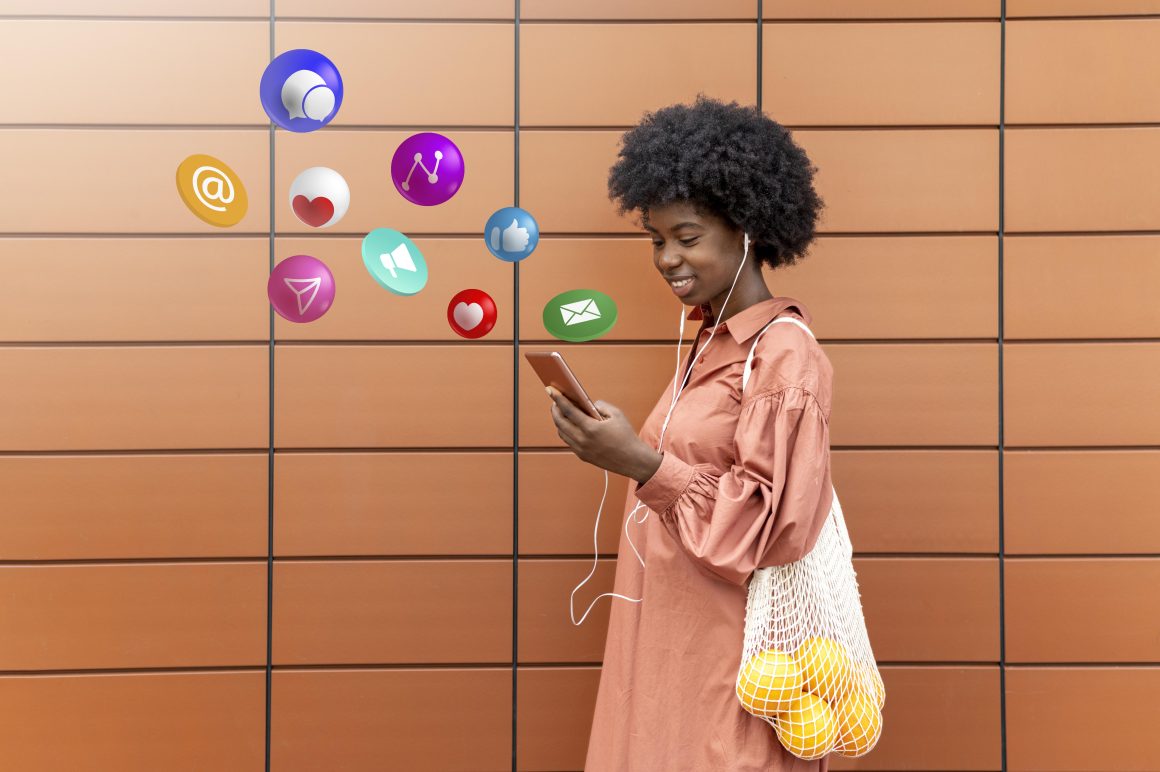
Understanding the difference between traditional and digital marketing helps businesses decide how to allocate their resources effectively. Here’s how the two approaches diverge in key areas:
1. Medium and Reach
Traditional marketing uses physical channels such as print, television, and outdoor advertising to reach broad audiences. Digital marketing operates online, allowing brands to connect globally through social media, websites, and digital ads.
2. Audience Targeting
Traditional marketing generally targets mass audiences with limited segmentation. Digital marketing allows hyper-specific targeting based on location, behavior, and interests — ensuring messages reach the right people at the right time.
3. Cost and Flexibility
Producing TV commercials, print ads, or billboards often involves higher costs and longer timelines. Digital marketing offers flexibility with scalable budgets and campaigns that can be adjusted instantly based on performance.
4. Measurement and Analytics
Traditional marketing results are difficult to measure precisely. Digital marketing provides clear metrics, helping brands assess what works and refine strategies through analytics and insights.
5. Engagement and Interaction
Traditional marketing is primarily one-way — from brand to consumer. Digital marketing encourages two-way communication, allowing brands to build relationships through comments, shares, and direct messages.
6. Longevity and Immediacy
A billboard may stay up for months, offering sustained visibility. Digital marketing, on the other hand, delivers immediate impact and allows for rapid experimentation and updates.
Together, these distinctions highlight the evolution of traditional marketing vs digital marketing — two systems designed for the same goal but operating through entirely different methods.
The Strengths of Each Approach
Traditional marketing’s biggest strength lies in trust and credibility. Audiences often associate physical advertising with established, dependable brands. It’s also effective in reaching demographics that may not be as digitally active.
Digital marketing excels in adaptability and engagement. Small businesses and creatives can compete with larger players through consistent, well-optimized content and social storytelling. A brand can launch a campaign, monitor its success, and tweak it all within days.
Integrating Both for a Balanced Strategy
In modern marketing, success rarely lies in choosing one over the other. Instead, the most effective brands merge both approaches. For example, a radio commercial (traditional) can direct listeners to follow the brand online (digital), while a social media campaign can drive traffic to a live event or in-store activation. This integrated approach ensures visibility offline and connection online — the best of both worlds.
By blending traditional marketing vs digital marketing strategies, brands can amplify their message, strengthen recognition, and nurture loyalty. The difference between traditional and digital marketing isn’t about superiority — it’s about suitability. Both methods remain vital parts of a complete marketing ecosystem. Traditional channels establish credibility and presence, while digital tools deliver precision, analytics, and engagement.
For modern businesses, especially creative brands, the smartest move is not to replace one with the other but to synchronize both. A campaign that’s visible in the real world and active online creates a stronger, more memorable experience — one that keeps your brand not just seen, but remembered.